
Product section in 1st fold

Hypothesis
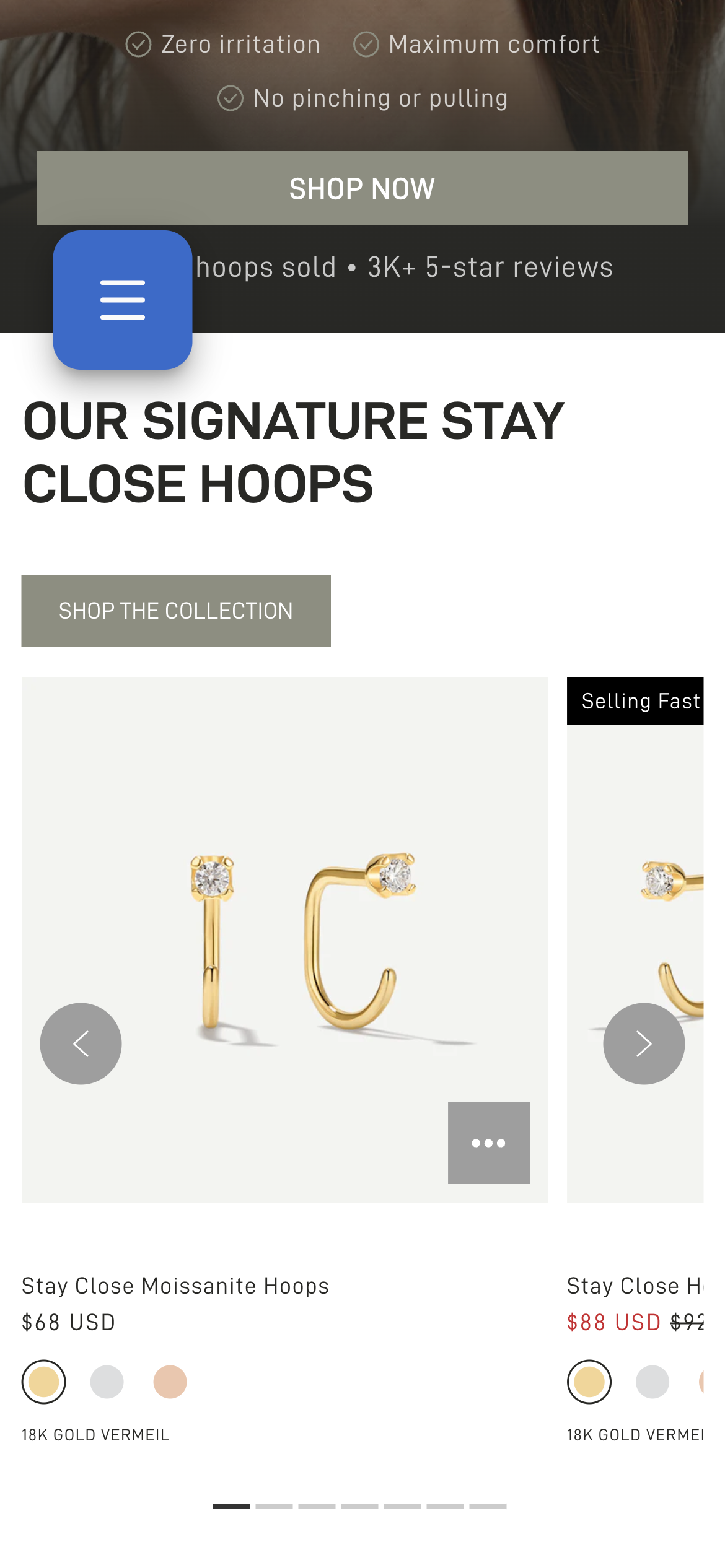
Test if pushing the product tiles further up, and making it readily available increases the CTR, and adds to revenue.
What we learned
What we tested: Moving the product tiles section higher up on the Stay Close Hoops landing page so products appear in the first fold, instead of requiring users to scroll down. What happened: The original layout (Control) outperformed the variation across all key metrics. - Conversion rate: Control 0.73% vs Variation 0.67% (8% drop for the variation) - Revenue per visitor: Control $0.85 vs Variation $0.74 (12% drop for the variation) - Average order value: Control $115.44 vs Variation $110.42 (4% drop for the variation) Statistical confidence: There is an 85% chance the Control (original layout) is better for conversion rate, and an 87% chance it is better for revenue per visitor. This is a moderate level of confidence. Device breakdown: - Mobile (87% of traffic): Control clearly won. Conversion rate Control 0.75% vs Variation 0.69% (9% drop). Revenue per visitor Control $0.87 vs Variation $0.76 (13% drop). 85% chance Control is better on mobile. - Desktop (13% of traffic): Results were inconclusive. Conversion rate Control 0.61% vs Variation 0.59% (3% drop). Only a 56% chance Control is better on desktop, essentially a coin flip with low sample size (33 vs 32 orders). New vs returning visitors: - New visitors (83% of traffic): Control won clearly. Conversion rate Control 0.56% vs Variation 0.50% (10% drop). Revenue per visitor Control $0.65 vs Variation $0.56 (13% drop). 84% chance Control is better for new visitors. - Returning visitors (17% of traffic): Results leaned toward Control but were less decisive. Conversion rate Control 1.60% vs Variation 1.53% (5% drop). Revenue per visitor Control $1.85 vs Variation $1.68 (9% drop). 64% chance Control is better, not statistically significant. Why it matters: The hypothesis was that pushing product tiles up would increase click-through rate and revenue. The data shows the opposite, users who saw the original layout with more content before the products actually converted at a higher rate and spent more. This effect was strongest on mobile and among new visitors, suggesting the content above the product grid (hero section, brand messaging) plays an important role in priming first-time mobile shoppers to purchase. Removing or compressing that content reduces buying intent. Note: This test ran for approximately 5 days (March 20–25, 2026), which is relatively short. However, the sample size was strong at ~80,000 total visitors, giving reasonable confidence in the directional results.
Want an agency that shows you its losses?
Every agency has losing tests. We're the ones who publish them. Free teardown: we walk your store live and show you the three highest-impact tests we would run first.